
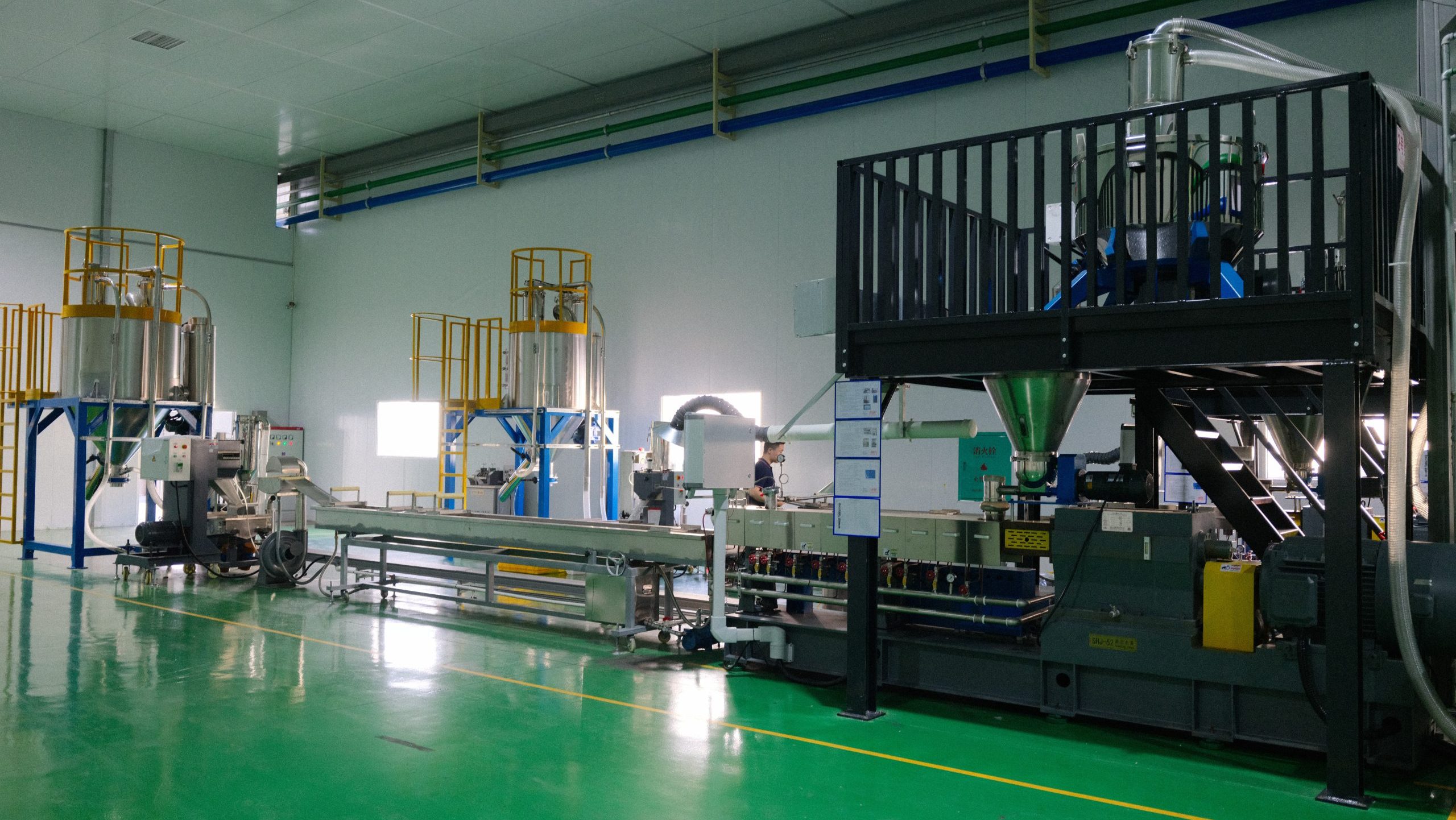
Raw Materials
In-House R&D and Production of Raw Materials
From compounding and process development to production-ready applications, Jianlin connects material innovation with the downstream manufacturing requirements of automotive interior and exterior programs.
Compounding and process development for production-ready materials
Integrated TPE skin and leather-grain material applications
Steel-to-plastic and low-dielectric material development
High-gloss paint-free trim solutions for automotive programs
Representative Material Applications
Representative development cases covering high-gloss paint-free trim, low-dielectric radar radomes, transparent flame-retardant PC window covers, and integrated TPE skin structures.
Click any image to enlarge
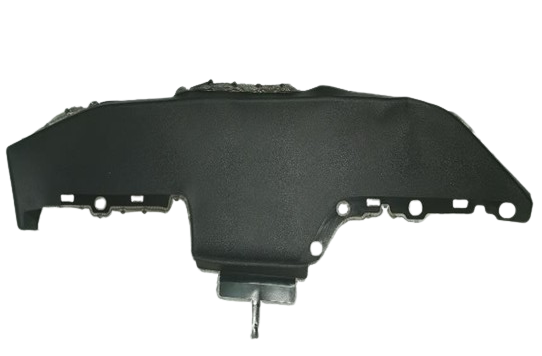
Injection-Molded Leather Grain
In an innovative approach, modified TPE materials are employed, replacing the traditional manual wrapping and cutting process. The material can be directly injection molded according to the complex shape of the product. This technology significantly enhances material utilization, reduces production costs, and delivers a smooth, natural bonding effect after molding, with a finer texture than traditional processes, significantly enhancing the market competitiveness of the product.
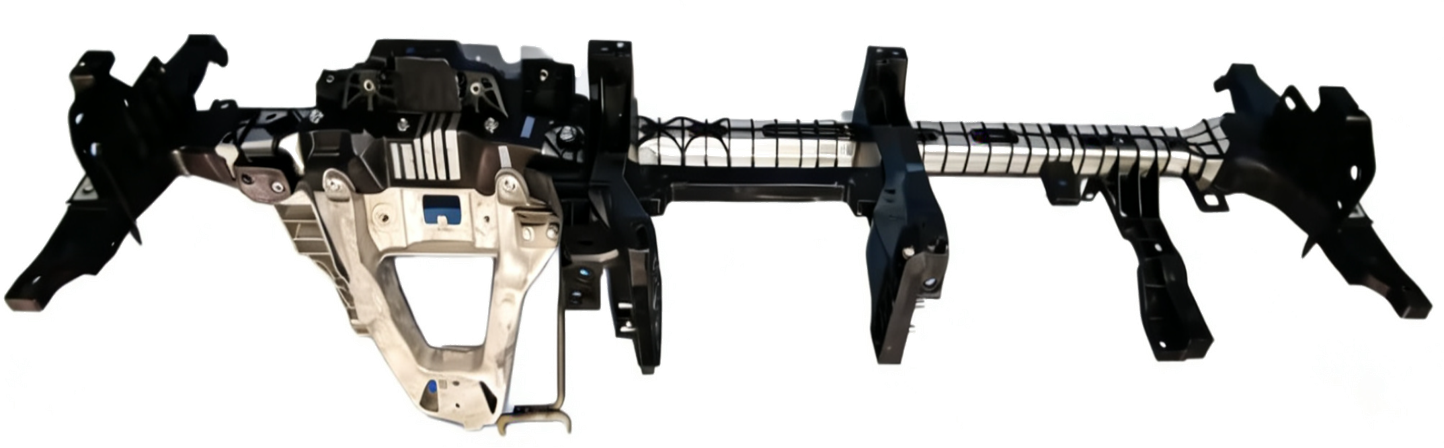
Steel-to-Plastic Replacement
A successful breakthrough in the technical process, the advanced steel-to-plastic substitution method is applied locally to parts using PA6-GF60% plastic material. This innovation not only achieves a significant effect in reducing vehicle weight and energy consumption, but also ensures the high strength and stability of the parts. At present, this technology has been successfully applied to a variety of models and has been widely recognized and verified by the market.
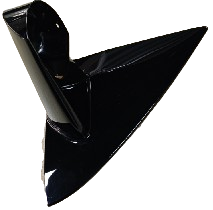
New High-Gloss Paint-Free Material
Independently developed high-gloss paint-free technology uses PC materials so parts formed by injection molding do not require a secondary spraying process. This technology greatly simplifies the production process, shortens the production cycle, reduces energy consumption and environmental pollution during production, and also reduces the paint, equipment, and labor costs caused by spraying, providing efficient, environmentally friendly, and low-cost solutions for traditional automotive interior and exterior trim parts.